Vibrio & Waterborne Illnesses: What to Know
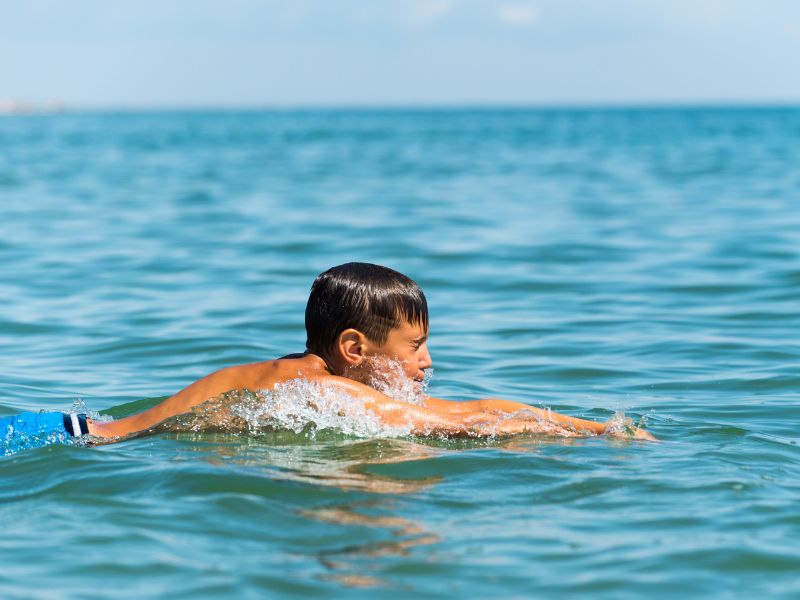
When summer heats up, so does concern about bacteria in our local waters. Reports from groups like Mobile Baykeeper often spark questions: What’s in the water, and should I worry about my family swimming? Before you swear off swimming altogether, let’s clear the water: yes, bacteria live in our bays, rivers, and Gulf waters, but that doesn’t mean every dip is dangerous. What matters is knowing the risks, spotting Vibrio infection symptoms early, and taking a few simple steps to protect yourself and your family.
The Most Common Waterborne Bacteria
Local water testing usually tracks overall bacteria levels, especially after heavy rain. Some of the more common culprits include:
- E. coli: Linked to sewage runoff. Infections usually cause stomach upset, diarrhea, cramps, and nausea if swallowed.
- Enterococcus: Found in salt and freshwater. Can cause GI issues, ear infections, or skin irritation.
- Vibrio vulnificus: A naturally occurring bacteria in warm, salty, or brackish water (like the Gulf and Mobile Bay). While far less common, it’s the one that can turn dangerous very quickly.
What Are Waterborne Illnesses?
Waterborne illnesses are infections caused by bacteria, viruses, or parasites found in natural water sources. Most of the time, they cause mild stomach upset or skin irritation. Certain bacteria, like Vibrio vulnificus, can cause more serious infections, especially if they enter through an open cut or wound.
Vibrio: Rare, But Serious
Vibrio bacteria are naturally present in warm, brackish and saltwater (think Gulf waves, Mobile Bay, and tidal creeks). They’re most common during the summer when water temperatures rise. While most people who come in contact with Vibrio never get sick, infections can happen. People with open wounds, weakened immune systems, or chronic health conditions are at higher risk.
Vibrio vulnificus is often called “flesh-eating bacteria” because of how aggressively it can spread in rare cases. When it enters the body through an open cut or scrape, it can cause necrotizing fasciitis, an infection that rapidly damages skin and soft tissue. It doesn’t literally “eat” flesh, but the infection can move so fast that tissue has to be surgically removed to stop it. Left untreated, it can become life-threatening within just a day or two.
How Symptoms Progress in a Serious Vibrio Infection
Knowing the warning signs makes all the difference. A typical Vibrio infection of the skin progresses like this:
- Within hours: Redness, swelling, and pain that seems worse than expected around a wound.
- 12–24 hours: Fever, chills, and rapidly spreading skin changes, sometimes with blisters filled with fluid.
- 24–48 hours: Skin may turn purple or black as tissue damage spreads. At this stage, infection can enter the bloodstream, leading to confusion, dangerously low blood pressure, and even organ failure.
The key takeaway: don’t wait to see if it gets better. Early treatment saves lives.
When to See a Doctor
Seek medical attention right away if you notice:
- Rapidly spreading redness or swelling around a wound
- Severe pain at the site of a cut, scrape, or insect bite after swimming
- Fever, chills, or sudden illness within a day of water exposure
- GI illness (vomiting, diarrhea) after eating raw or undercooked shellfish
Urgent care can often treat mild infections with antibiotics. But if symptoms are severe or moving quickly, head straight to the ER.
Prevention Tips for Safer Swimming
A few simple habits help lower your risk of waterborne illnesses on the Gulf Coast:
- Don’t swim with open cuts, scrapes, or recent surgical wounds
- Wash off with soap and clean water after swimming
- Wear water shoes to avoid cuts and scrapes
- Avoid eating raw or undercooked oysters and other shellfish
- Clean and bandage wounds promptly after any water activity
Stay Safe, Stay Smart
Our bays and beaches are an incredible part of life on the Gulf Coast. Vibrio and other bacteria are a natural part of that ecosystem, but you can still swim and explore safely with a little caution.
If you or your child develop unusual symptoms after swimming or eating seafood, don’t wait it out – get checked out! Visit Urgent Care of Fairhope for quick treatment of minor illnesses and injuries like ear infections, rashes, sunburns, scrapes and sprains. If you suspect a Vibrio infection or have severe symptoms that come on quickly, head to the ER immediately.
Search our Blog
Recent Posts
National Junk Food Day: Can You Enjoy Junk Food and Still Eat Healthy?
National Junk Food Day on July 21 is basically a holiday dedicated to giving your sweet tooth, salty snack cravings, and favorite drive-thru order a little attention. And honestly? That's okay. Despite what social media [...]
How to Have a Blast This 4th of July (Without Ending Up at Urgent Care)
The Fourth of July on the Eastern Shore is practically a sport. Between boat days, beach trips, backyard cookouts, fireworks shows, and late-night bonfires, most of us spend the holiday weekend soaking up every minute [...]
Chronic Headaches: Types and Treatment
Most people have had a headache. Stress, dehydration, too much screen time, not enough sleep – these everyday headaches are uncomfortable, but they're usually short-lived and respond well to rest and over-the-counter pain relievers. Chronic [...]
Summer Food Safety Tips
Summer on the Eastern Shore usually comes with a full plate: beach trips, seafood boils, grilling with friends, dock days, baseball tournaments, and backyard BBQs. But all that time outdoors can also create more opportunities [...]
8 Ways to Reduce Bloat
Bloating has a way of showing up uninvited, usually right when you’re trying to feel your best. One minute you’re fine, the next your stomach feels tight, heavy, or just…off. The good news? Most everyday [...]
2026 Summer Camp Guide: Eastern Shore, Alabama
School’s out for summer! While the kids are rejoicing, we know many parents are picturing long days of screen time, junk food and boredom. If you haven’t scheduled a summer camp experience for your student [...]