Measles Guide for Parents: What You Need to Know
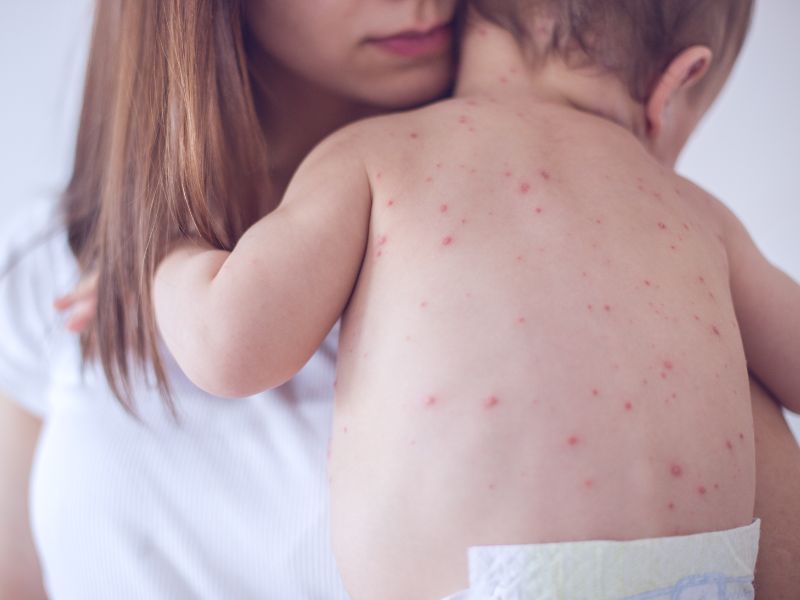
Recent measles outbreaks have many parents on high alert, and with good reason—measles is one of the most contagious viruses in the world. While it was once considered a routine childhood illness, modern medicine has made it a rarity in the U.S. However, with cases popping up again, it’s important to be prepared against potential exposure.
At Urgent Care of Fairhope, we believe that having accurate information is the first step to keeping your family healthy, so we’ve put together this guide to help you understand measles and how to protect your children.
What Is Measles?
Measles is a viral infection that spreads through airborne droplets when an infected person coughs or sneezes. It’s so contagious that if one person has it, up to 90% of the people close to them who aren’t immune can also catch it. Before widespread vaccination began in the 1960s, nearly all children caught measles by the time they were 15 years old.
A person with measles can spread the disease from four days before the rash appears to four days after it appears. The virus can linger in the air for up to two hours after an infected person has left the area, making it especially tricky to contain. While less common today thanks to modern medicine, outbreaks still occur, particularly in areas with lower vaccination rates.
Symptoms of Measles: What to Watch For
Measles symptoms typically appear 7 to 14 days after exposure and often begin like a regular cold before escalating. Symptoms usually appear in two stages:
Early symptoms (first 2-3 days)
- High fever (may spike to 104°F)
- Cough
- Runny nose
- Red, watery eyes
- Feeling tired and run down
- Small white spots inside the mouth (called Koplik spots)
Later symptoms (3-5 days after initial symptoms)
- Distinctive red rash that starts on the face and spreads downward to the neck, trunk, arms, legs, and feet
- Fever that may spike again when the rash appears
If your child develops these symptoms, particularly after being in a public setting where measles exposure is possible, contact a healthcare provider right away.
Who’s Most at Risk?
While anyone can contract measles, some groups are at higher risk for severe illness and complications, including:
- Infants and children under 5 years old
- Pregnant women
- People with weakened immune systems
- Unvaccinated individuals
For these groups, measles can lead to serious complications, making it crucial to prevent exposure whenever possible.
Potential Complications of Measles
Most people recover from measles within 2-3 weeks, but it can cause serious health complications, especially in vulnerable groups:
- Ear infections (which can lead to hearing loss)
- Pneumonia (the most common cause of measles-related death)
- Encephalitis (swelling of the brain, which can cause long-term damage)
- Subacute sclerosing panencephalitis (SSPE is a fatal disease of the central nervous system that can develop 7-10 years after infection)
While rare, these complications highlight why measles is more than just a childhood illness—it can have lasting effects on a person’s health.
How to Protect Your Family
The best protection against measles is immunity. Thanks to modern medicine, vaccines have made measles outbreaks uncommon in the U.S. The MMR vaccine (measles, mumps, and rubella) is highly effective, providing 97% protection after two doses.
If you’re unsure about your child’s immunization status or have concerns about exposure, talk to your doctor. Early detection and prevention are key in stopping the spread of measles.
When to Seek Medical Care
If your child has symptoms of measles or has been exposed to a known case, call your healthcare provider before visiting a clinic. Measles is highly contagious, so special precautions may be needed to prevent exposure to others.
At Urgent Care of Fairhope, we’re here to provide guidance and care for your family’s health. If you have questions or concerns about measles or other illnesses, we’re just a visit away.
Related Reading:
Search our Blog
Recent Posts
National Junk Food Day: Can You Enjoy Junk Food and Still Eat Healthy?
National Junk Food Day on July 21 is basically a holiday dedicated to giving your sweet tooth, salty snack cravings, and favorite drive-thru order a little attention. And honestly? That's okay. Despite what social media [...]
How to Have a Blast This 4th of July (Without Ending Up at Urgent Care)
The Fourth of July on the Eastern Shore is practically a sport. Between boat days, beach trips, backyard cookouts, fireworks shows, and late-night bonfires, most of us spend the holiday weekend soaking up every minute [...]
Chronic Headaches: Types and Treatment
Most people have had a headache. Stress, dehydration, too much screen time, not enough sleep – these everyday headaches are uncomfortable, but they're usually short-lived and respond well to rest and over-the-counter pain relievers. Chronic [...]
Summer Food Safety Tips
Summer on the Eastern Shore usually comes with a full plate: beach trips, seafood boils, grilling with friends, dock days, baseball tournaments, and backyard BBQs. But all that time outdoors can also create more opportunities [...]
8 Ways to Reduce Bloat
Bloating has a way of showing up uninvited, usually right when you’re trying to feel your best. One minute you’re fine, the next your stomach feels tight, heavy, or just…off. The good news? Most everyday [...]
2026 Summer Camp Guide: Eastern Shore, Alabama
School’s out for summer! While the kids are rejoicing, we know many parents are picturing long days of screen time, junk food and boredom. If you haven’t scheduled a summer camp experience for your student [...]